

 See My Latest Article on HelloNation

What Does Insurance for High-Value Items Mean?
Insurance for high-value items refers to coverage specifically designed to protect belongings that exceed the standard limits of a typical homeowners or renters policy. In Pittsburgh, PA, many residents own valuables such as jewelry, fine art, collectibles, or antiques that might not be fully covered by their basic policies. Standard coverage usually sets dollar limits on certain categories—meaning compensation may be capped well below the item’s replacement cost.
Residents should start by reviewing their existing policies to see the limits for categories like jewelry, electronics, or collectibles. If the value of your items exceeds these limits, you could be responsible for any difference. High-value item coverage closes that gap.
How Do Area Residents Document Belongings for Insurance Purposes?
Thorough documentation is essential for insuring valuables. Insurers generally require evidence of ownership and value to process claims smoothly.
- Photographs: Take clear, detailed photos of each item with close-up shots for identifying details.
- Receipts and Appraisals: Keep receipts or acquisition records. For items like jewelry or artwork, a professional appraisal is often requested.
- Inventory List: Write a list noting each item's description, purchase date, estimated value, and location within your home.
Digital records, securely backed up online or in cloud services, are especially handy for area households prone to weather-related losses like basement flooding.
What’s Usually Covered—and What Isn’t?
Specialized high-value item coverage typically covers loss, theft, and sometimes accidental damage, subject to policy terms. However, there are important exceptions:
- Everyday wear and tear, gradual deterioration, or manufacturer defects are rarely included.
- Some policies exclude losses during certain activities (e.g., jewelry lost during sports) unless the coverage is very specific.
- Items kept outside the primary residence, whether in storage or during travel, may have limited or no coverage.
Local residents often overlook exclusions related to weather or transit—always confirm the policy’s stance on seasonal risks like ice dam leaks or moving between homes.
Are There Extra Steps for Insuring Fine Art, Jewelry, or Collectibles?
Yes, unique items like heirloom jewelry, rare coins, or paintings require valuation by specialized appraisers familiar with market trends. Insurance companies often require a formal appraisal report before allowing these items to be listed, especially if their value fluctuates over time.
For example:
- Jewelry appraisers must describe materials, stone quality, and craftsmanship.
- Art appraisals consider artist, provenance, and recent auction results.
- Collectibles, such as sports memorabilia, may need authentication in addition to appraisal.
Appraisals may have to be updated every few years to reflect market shifts. Keep copies of all related documents in both physical and digital formats.
What Types of Insurance Options Are Available for High-Value Items?
Area homeowners and renters usually choose from three main methods:
- Scheduled Personal Property Endorsement (Rider): This adds itemized coverage to a standard homeowners or renters policy. Each valuable item is listed, with coverage limits matching its individual value.
- Valuable Articles Policy: A separate policy for high-value categories, often with broader protection (such as mysterious disappearance or accidental breakage).
- Blanket Coverage: Some carriers allow one higher limit for an entire category (e.g., all jewelry), which can be simpler than listing each piece.
Scheduled coverage offers the most precise protection but requires careful record-keeping. Blanket limits may be easier to manage, but could result in shortfalls if a single item far exceeds the category cap.
How Do Deductibles and Premiums Work?
Deductibles and premium costs depend on the type, value, and risk profile of your items, as well as your chosen policy structure.
- Scheduled endorsements often come with no deductible, or a lower one than the rest of the policy.
- Premiums for high-value item coverage are generally higher than standard personal property coverage, reflecting the risk of theft, damage, or loss.
- The location of your home, history of claims, and security features—such as alarm systems or safes—can all affect the price.
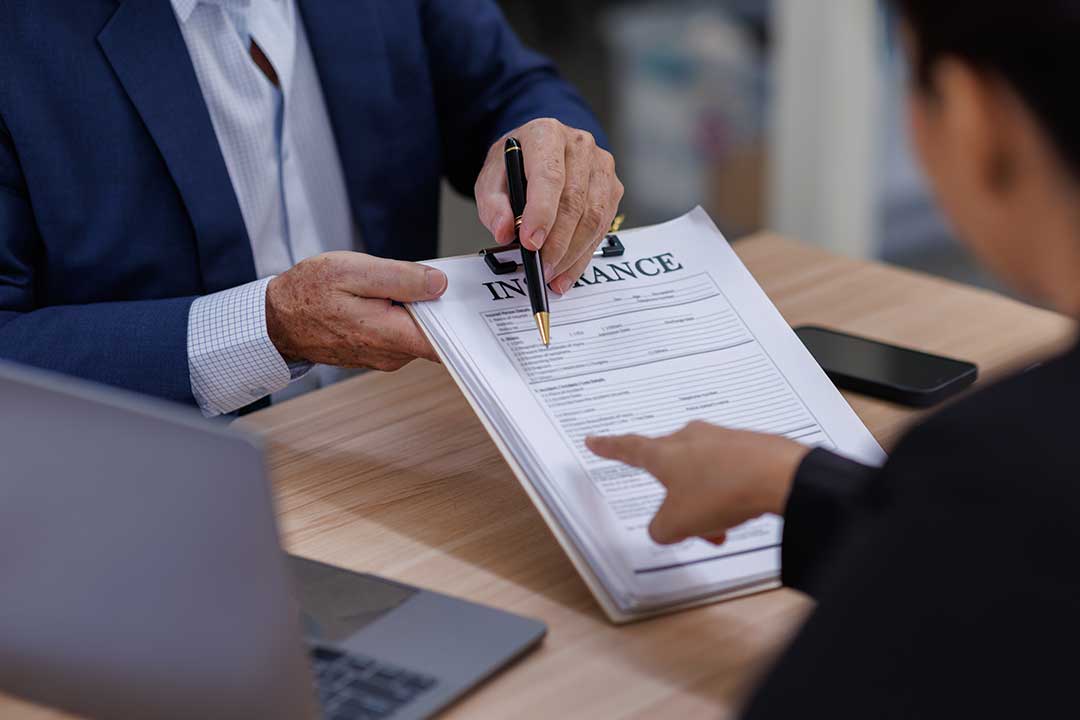
The city’s housing mix, including older homes with less secure windows or more secluded yards, may influence insurer assessments of risk, especially for portable items.
What Mistakes Do Pittsburgh Residents Commonly Make?
- Underestimating Item Value: Many household members rely on old appraisals or outdated receipts, inadvertently leaving themselves underinsured.
- Forgetting New Purchases: Valuable gifts, inheritances, and new jewelry are sometimes overlooked when updating coverage.
- Ignoring Seasonal or Storage Risks: Local weather—like spring flooding or winter pipe bursts—can threaten belongings stored in basements or attics. Standard policies may not respond to water damage, so be mindful where you store valuables.
- Inadequate Documentation: When disaster strikes, strong documentation speeds up claims and reduces disputes. Vague lists without photos or appraisal details may delay reimbursement.
What Should Residents Do When High-Value Items Change Over Time?
Fluctuating market values, depreciation, or appreciation require periodic reviews of your insurance coverage. Aim to have items appraised every three to five years or after major market shifts. Promptly update your insurer with any changes—failing to do so could result in insufficient reimbursement after a loss.
Practical steps:
- Set a recurring calendar reminder to review your inventory and appraisals.
- Immediately update your inventory when acquiring or selling high-value items.
- Store digital and paper records securely, considering local hazards like moisture or humidity in some neighborhoods.
How Are Claims for High-Value Items Handled Differently?
Claims involving valuables may require more documentation and time compared to standard household goods. Insurers will request proof of value, condition before the loss, and ownership.
For high-value claims:
- Expect to provide appraisals, photos, receipts, and a detailed account of what occurred.
- For theft, a police report is often necessary. Always report the incident to authorities promptly.
Claims for unique items sometimes trigger specialist review or require you to work with loss adjusters with expertise in fine art, jewelry, or collectibles.